
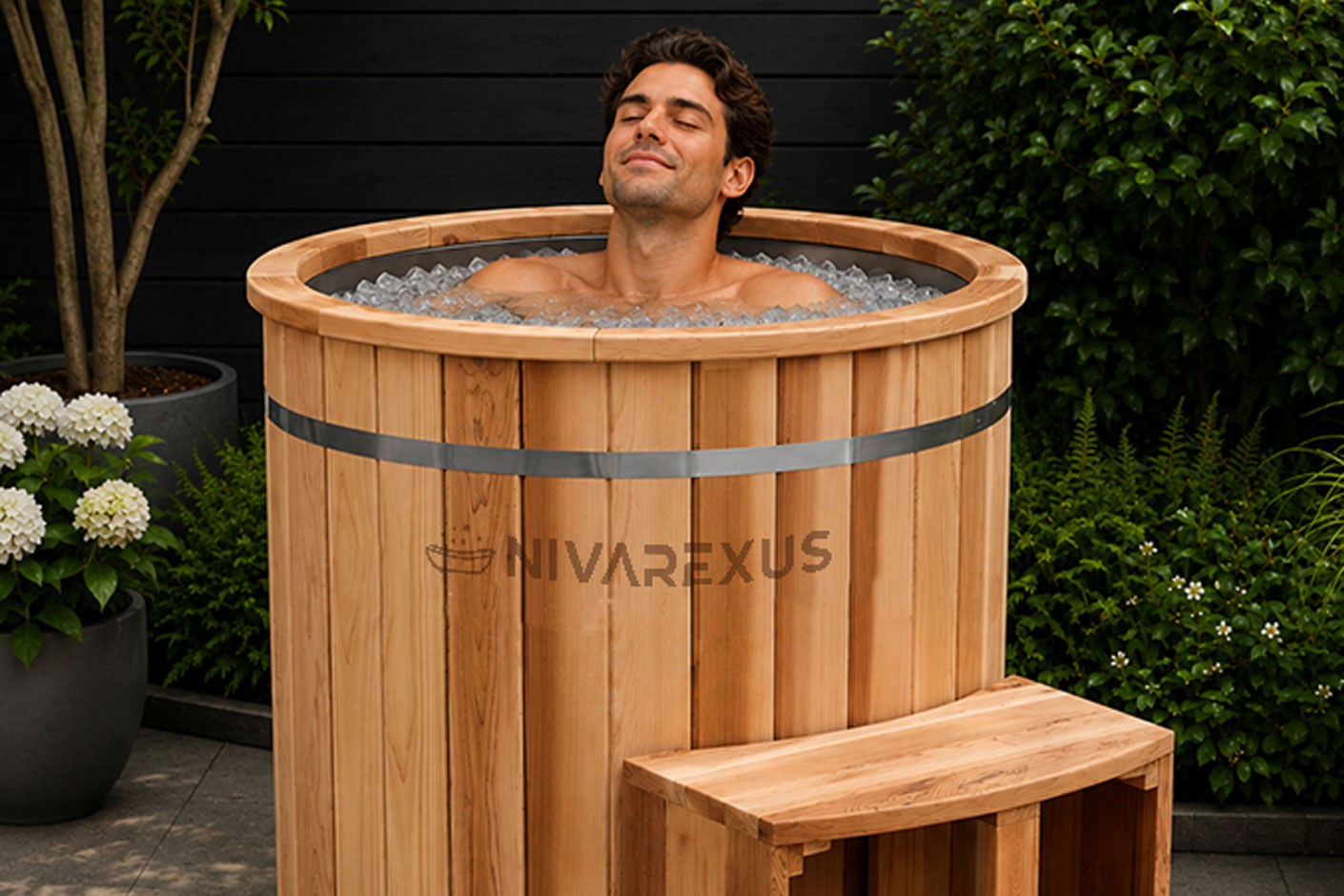
The decision to submerge your body in freezing water for thirty consecutive days is a commitment that goes beyond a simple curiosity. It is a journey into the depths of your own resilience, a test of will that promises to reshape your physical and mental landscape.
Imagine waking up this morning and, instead of reaching for a warm beverage, you face the bracing chill of an ice-filled tub. This challenge is not about enduring pain; it is about witnessing the incredible adaptability of the human form.
Over the next month, you will be able to see how a daily encounter with the cold can turn a shivering novice into a focused, energized, and dominant version of yourself.
The First Week: The Shock and the Struggle
During the first seven days, every fiber of your being will likely protest. When you first step into the water, your body enters a state of high alert. This is the “fight or flight” response in its purest form.
Your heart spikes, your breathing becomes rapid, and your mind searches for any excuse to exit the tub. This initial phase is primarily about survival and basic adaptation. Physically, your skin and nervous system are learning to interpret the cold as a stimulus rather than a threat.
You might find the first few sessions leave you feeling a bit tired as your body uses energy to maintain its internal temperature. However, by day five, a subtle shift starts. The gasp reflex becomes easier to control, and you start to find a rhythm with your breathing.
The struggle is still real, but the panic starts to fade away, replaced by a burgeoning sense of curiosity.
Week Two: Finding the Rhythm of Recovery
As you enter the second week, the daily ritual becomes less of a battle and more of a routine. Your body is no longer surprised by the drop in the temperature. Instead, it begins to anticipate the shift.
You may notice that your skin feels more resilient and your overall circulation seems more responsive. The “glow” that follows a session becomes more pronounced and lasts longer until the afternoon.
One much noticeable changes during the period is the impact on your sleep. Many people find that after ten days of consistent immersion, they tend to fall asleep faster and stay in a deep state of rest more consistently.
The cooling of the core temperature earlier in the day seems to signal the brain that it is time to prepare for a restorative night. You wake up feeling less groggy and more prepared to face the day’s tasks with a clear head.
Week Three: The Mental Edge Sharpens
By the third week, the physical sensations, while still intense, become secondary to the mental transformations. You have now proven to yourself fourteen times that you can do something difficult.
This builds a reservoir of quite confidence that spills over into your professional and personal life. Challenges that previously felt overwhelming now seem manageable. You have learned to remain calm while your external environment is in chaos.
This is also the period where mental clarity becomes a constant companion. The brain “fog” that many people tend to struggle with the morning is replaced by a sharp, piercing focus. The cold tends to trigger a sustained release of neuro transmitters that keep your mood stable and your energy levels high.
You aren’t just reacting to the world anymore; you are moving through it with intention and a steady hand. The ice bath has become your training ground for emotional balance.
Week Four: Integration and Internal Strength
In the final stretch of the thirty-day challenge, the ice bath no longer feels like an external event. It is a part of who you are. Your body has become remarkably efficient at thermoregulation. You might find that you no longer shiver as intensely or for as long after exiting the tub.
Your internal "furnace" is working at its peak, and your metabolic processes are humming with a new level of efficiency. Physically, your muscles and joints feel refreshed and ready for movement.
This consistent flushing of your system with fresh blood has encouraged a state of readiness that makes physical activity feel more fluid. Mentally, you have developed a level of grit that few people ever experience.
You have faced the cold thirty times, and every time you come out stronger. This is the week where you tend to realize that the challenge wasn’t just about the water; it was about uncovering the internal strength that was always there, waiting to be tapped.
Changes in Energy and Metabolism
Throughout the thirty days, your body undergoes a shift in how it utilizes energy. Regular exposure to the cold encourages the body to become more active in maintaining its heat. This internal work requires a steady supply of energy, which can turn into a more responsive metabolic rate.
You might find that you feel warmer in general, even when you aren’t in the water, as you system becomes better at generating its own heat. This isn’t about a sudden change, but rather a natural adjustment to a consistent stressor.
By asking your body to handle the cold every day, you encourage it to remain in a state of high functionality. This often results in a feeling of sustained vitality that carries you through the afternoon slump without the need for extra caffeine or sugary snacks.
The Impact on Mood and Resilience
Perhaps a prominent change after a month is in the shift in your emotional baseline. The daily release of endorphins and other natural mood-boosters creates a sense of well-being that is difficult to replicate through other means.
You find yourself becoming less reactive to small annoyances. The resilience you built in the tub becomes a shield against the stresses of modern life. Participants in this challenge often report a decrease in feelings of tension and an increase in overall life satisfaction.
When you start your day by overcoming a significant physical challenge, the rest of your problems seem much smaller by comparison. You have mastered the art of being comfortable with being uncomfortable, and that is a skill that serves you in every imaginable scenario.
Tips for Completing Your Own 30-Day Journey
If you are inspired to start your month-long experiment, remember that consistency is more important than intensity. You don’t need to sit in the ice for ten minutes on day one.
- Start Small: Begin with two minutes and stay there for the first week.
- Focus on the Breath: Never let your breathing become shallow. Use long exhales to stay calm.
- Log Your Feelings: Keep a journal of how you feel each day. Looking back at your progress in week three will give you the push you need to finish the month.
- Prepare Your Space: Make the process as easy as possible. Have your towel and warm clothes ready so there are no excuses to skip a day.
Beyond the 30 Days: What’s Next?
As you reach the end of the month, you will likely find that you don’t want to stop. The benefits you have gained; the clarity, the energy, and the resilience, are too valuable to give up. Many people transition from a daily challenge to a sustainable routine of three to four times a week.
The thirty-day mark is not a finish line; it is a doorway to a new way of living. You have successfully recalibrated your system and proved your own strength. Whether you continue every day or move to a more flexible schedule, the lessons you learned in the cold will stay with you.
You have built a foundation of grit that will support you for years to come.
A New Standard for Self-Performance
The daily ice bath challenge is a powerful way to set a new standard for your life. It shows you that many of the limits you thought you had been simply mental barriers. By facing the cold head-on, you have broken through those barriers and discovered a more capable version of yourself.
This journey is a testament to the power of intentional stress. By choosing the cold, you have chosen growth. As you step out of the tub on day thirty, take a moment to appreciate the person you have become.
Embrace the new you, and let the clarity you found in the water guide you in everything you do.