
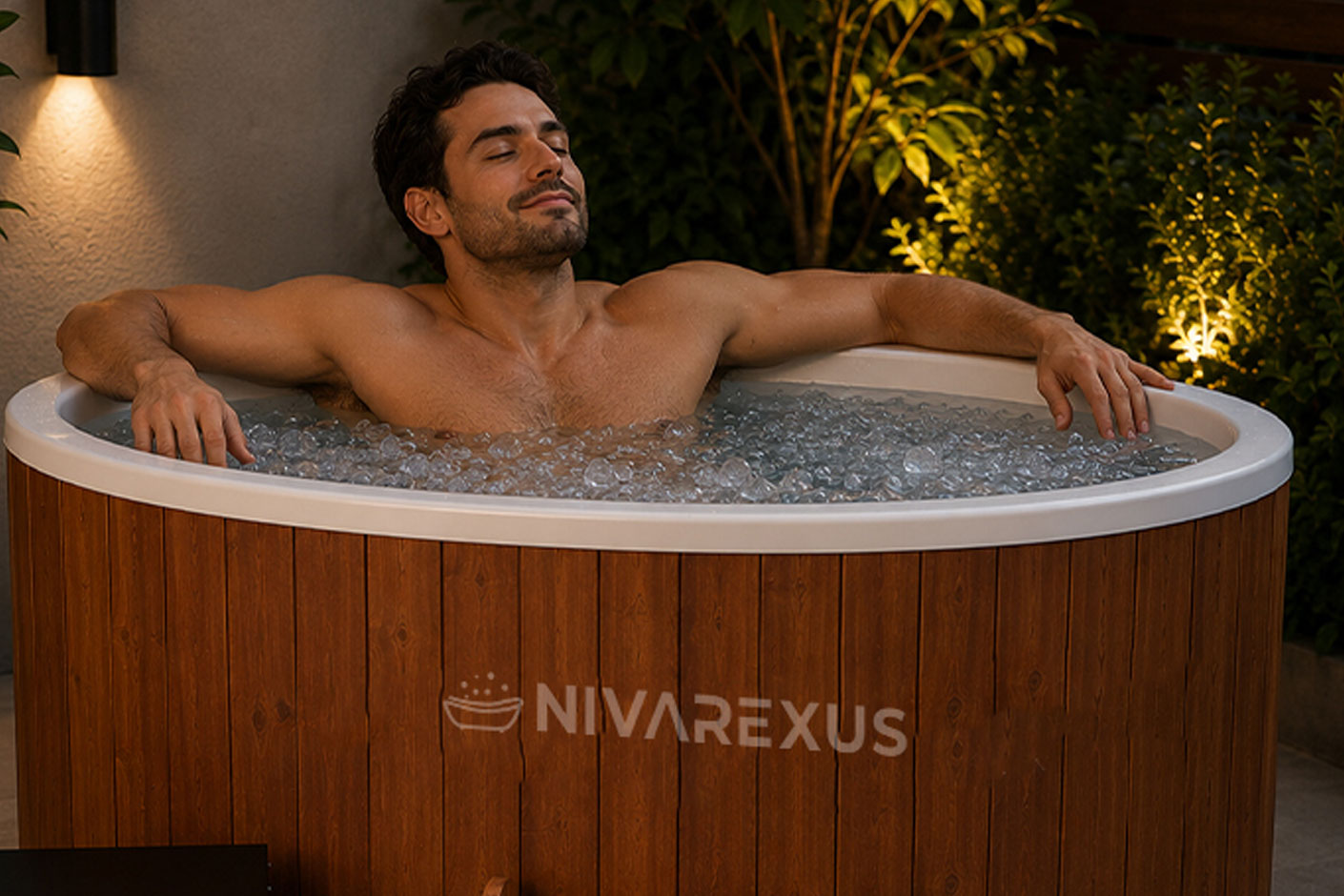
The sight of a person voluntarily stepping into a tub of freezing water was once reserved for high-level athletic facilities or rugged mountain getaways. Today, however, these shimmering basins of ice are appearing in suburban backyards, urban balconies, and boutique fitness studies across the globe.
What was once seen as a niche practice for the physically elite has transformed into a widespread movement embraced by people from all walks of life. This shift isn’t just about following a trend; it is a collective realization that the cold offers a profound way to reclaim our physical vitality and mental sharpness.
As the world becomes louder and more demanding, the silent, biting chill of the ice bath provides a necessary anchor for those who seek a modern edge.
The Evolution of Cold Immersion
For decades, the primary narrative around cold water was centered on the physical sensations following a heavy workout. Athletes used the cold to refresh their limbs and prepare for the next day of movement.
While this remains a core benefit, the conversation has expanded. We are now seeing a deeper understanding of how the cold interacts with the entire human system. The mainstream adoption of this practice is driven by a desire for natural, accessible ways to manage the stresses of contemporary living.
In the age of digital saturation, the ice bath offers a visceral, analog experience that brings a person immediately back into their body. It is a return to a more primal way of interacting with the environment, and many are finding that this simplicity is exactly what they have been missing.
Beyond the Muscle: The Mental Revolution
Perhaps the biggest driver of the mainstream surge is the focus on mental clarity. We live in a time where focus is a rare commodity. The “brain fog” resulting from endless screen time and constant notifications is a common compliant.
Enter the ice bath: a tool that demands total presence. You cannot be distracted when the water is 50°F. This mental “reset” is why professionals, artists, and students are adopting the practice. The initial shock of the cold triggers a surge in neurotransmitters that support mood and alertness.
This isn’t a temporary buzz; it is a sustained feeling of being “on.” By facing the cold every morning, individuals are building a level of mental grit that allows them to navigate the high-pressure environments with a sense of calm and perspective.
The tub has become a laboratory for building a more resilient mind.
Accessibility and Innovation in Equipment
In the past, setting up a cold dip was a logistical headache involving dozens of bags of ice and a makeshift container. Innovation has played a massive role in bringing this practice to the masses. The development of dedicated tubs that are both stylish and functional has removed the friction of the process.
Compact Designs: Modern tubs are designed to fit into smaller spaces, making them viable for those living in apartments or homes with limited outdoor area.
Insulated Materials: High-tech fabrics and layered walls keep water chilly for longer, reducing the amount of resources needed to maintain the temperature.
Integrated Systems: For those who want a seamless experience, tubs with built-in cooling and filtration have made the daily dip as easy as turning on a faucet.
These advancements have turned a difficult task into a convenient ritual, allowing more people to integrate the cold into their busy schedules without a second thought.
The Social Factor: Building Community in the Cold
Humans are social creatures, and the rise of ice baths has fostered a unique sense of community. In cities like Hong Kong, group sessions and cold-immersion workshops are becoming popular social events.
There is a powerful bond formed when a group of people faces a challenge together. Sharing the experience of the “initial gasp” and the subsequent calm creates a sense of belonging. It turns a personal practice into a shared journey of growth.
This social support makes it easier for beginners to start and stay consistent. When you see your peers embracing the chill, it normalizes the discomfort and emphasizes the rewards. The mainstreaming of the ice bath is much about the people you meet as it is about the water itself.
Reclaiming Physical Readiness
While the mental benefits are taking the center stage, the physical advantages remain as a pillar of why people are getting into the tub. In a world that values “hustle” and constant activity, we often neglect the recovery phase of your lives. The ice bath is a physical manifestation of the need to slow down and reset.
By encouraging natural circulation and helping the body manage the sensations of a long day, the cold allows people to stay active for longer. It isn’t just about gym sessions; it is about being able to play with your kids, go for a weekend hike, or simply move through the day without feeling weighed down.
The mainstream audience is realizing that you don’t need to be a professional player to deserve a high-quality recovery routine.
The "Dopamine" Effect and Emotional Balance
A significant part of the mainstream appeal is the way the cold impacts our emotional baseline. Scientific interest in the cold shock has highlighted a sustained increase in dopamine levels following submersion.
Unlike the quick spikes followed by crashes that we get from social media or sugary snacks, the cold provides a steady, long-lasting fit.
The natural mood enhancement is a game-changer for many. It provides a sense of accomplishment and a bright feeling that colors the rest of the day. As people look for ways to support their emotional well-being without relying on external substances, the ice bath stands out as powerful, self-directed solution.
It is an empowering feeling to know that you can shift your internal state simply by changing your environment for a few minutes.
Breaking the "Comfort Trap"
We live in a much comfortable era in human history. We have climate-controlled rooms, soft beds, and quick entertainment. While these are sophistications, they can also result in a result of stagnation.
The mainstreaming of ice baths represents a conscious effort to break out from this comfort trap. By intentionally seeking out a difficult stimulus, people are reminding themselves of their own capabilities.
This voluntary discomfort acts as a vaccine against the involuntary stresses of life. When you choose to step into the ice, you are making a statement that you are in control of your comfort, rather than to slave it.
This philosophy of “seeking the hard path” is resonating with a generation that is tired of the easy and looking for the real.
Consistency Over Intensity
As the practice goes mainstream, the approach has become more nuanced. People are learning that they don’t need to be “tough” or stay in the water for extended periods to see the results. The focus has shifted to consistency.
A three-minute dip performed regularly is now recognized as the gold standard for long-term benefits. This shift in perspective has made the practice much more inclusive. It doesn’t matter your age or your fitness level; anyone can find a way to incorporate a few minutes of cold into their life.
This democratization of the cold is what has truly allowed it to move from the sidelines of the gym to the center of the wellness conversation.
A Lasting Shift in Lifestyle
The mainstreaming of the ice bath is not a passing fad. It is a fundamental shift in how we view the relationship between our environment and our well-being. As more people experience the clarity, energy, and resilience that come from a regular dip, the practice will continue to grow.
We are seeing the birth of a new ritual; one that balances the frantic pace of the modern life with the stillness of the cold. Whether it is for the physical relief after a run or the mental edge needed for a big presentation, the ice bath offers a reliable, honest way to be at your peak.
The tubs are here to stay because the results are undeniable.
Final Reflections
The journey of the ice bath from a specialized athletic tool to a mainstream lifestyle choice is a testament to our search for authentic experiences. It shows that we are hungry for challenges that make us feel alive and focused.
By embracing the cold, we are not just shivering in a tub; we are participating in a global movement toward greater resilience and self-mastery. As you see more tubs appearing in your neighbourhood, remember that each one represents a person choosing to step outside their comfort zone.
They are seeking a sharper mind and a more ready body. The ice bath is a powerful reminder that sometimes, the ideal way to move forward is to take a cold, refreshing step back into the basics of human strength.